

November 2, 2026 | Last Updated on November 2, 2026 by Patricia Valbrun
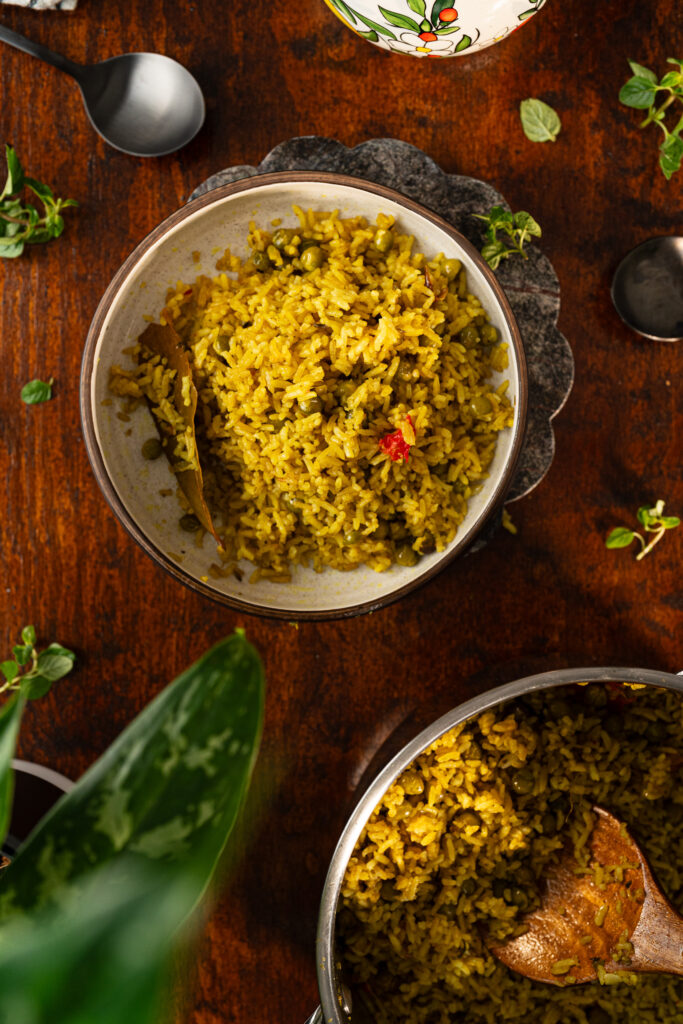
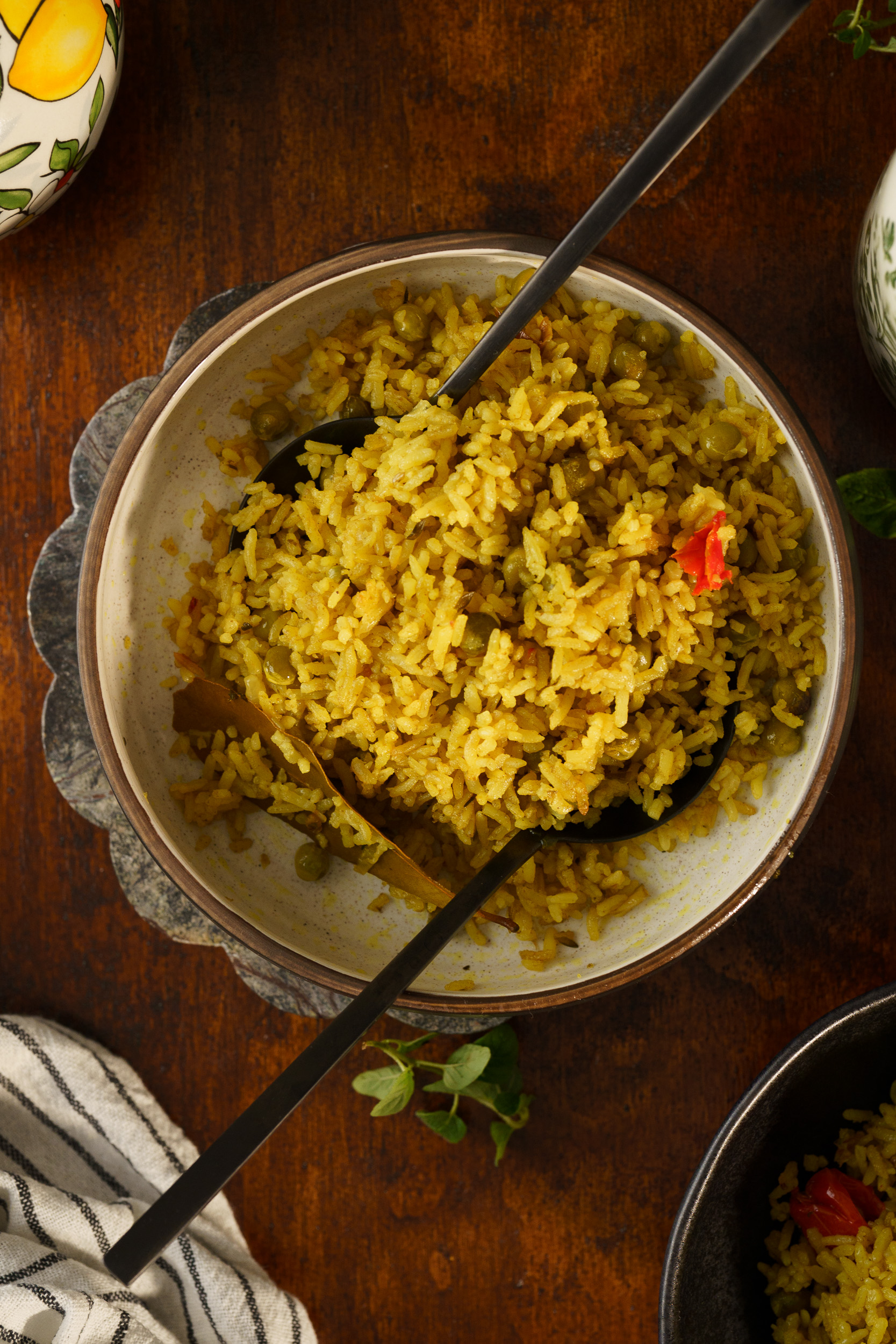
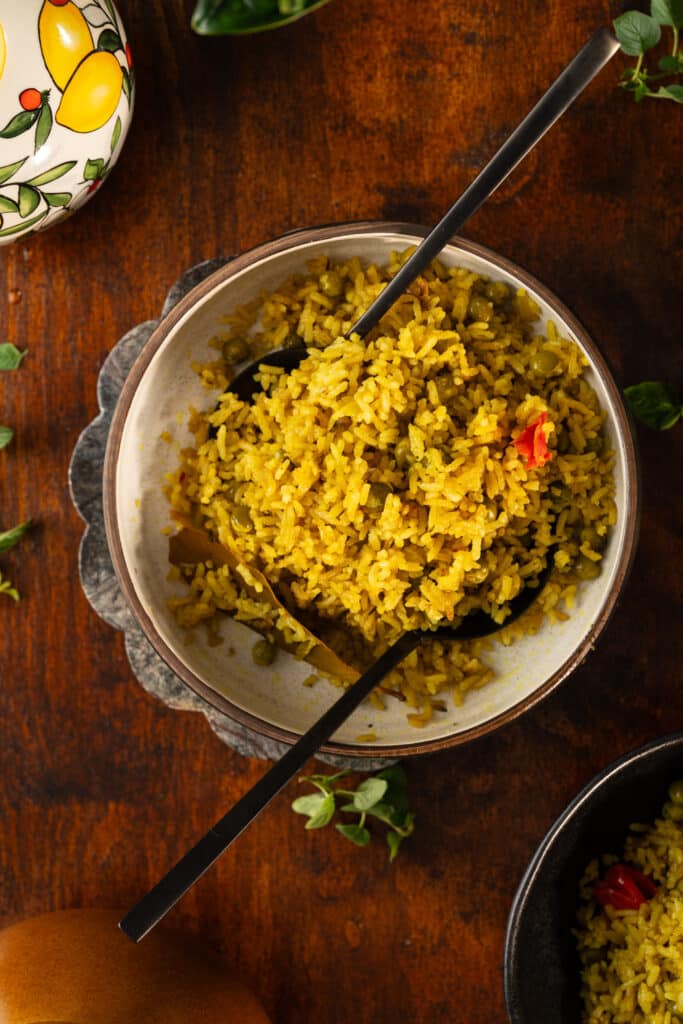
This Coconut Curry Rice with Green Peas is made with fragrant jasmine rice, creamy coconut milk, and warm curry spices for a rich, flavorful side dish.
I love how a simple pot of rice can completely transform a meal with just a few ingredients. The combination of coconut milk, curry powder, tumeric, green seasoning, and fresh herbs creates a balance of savory, earthy, and slightly sweet flavors.
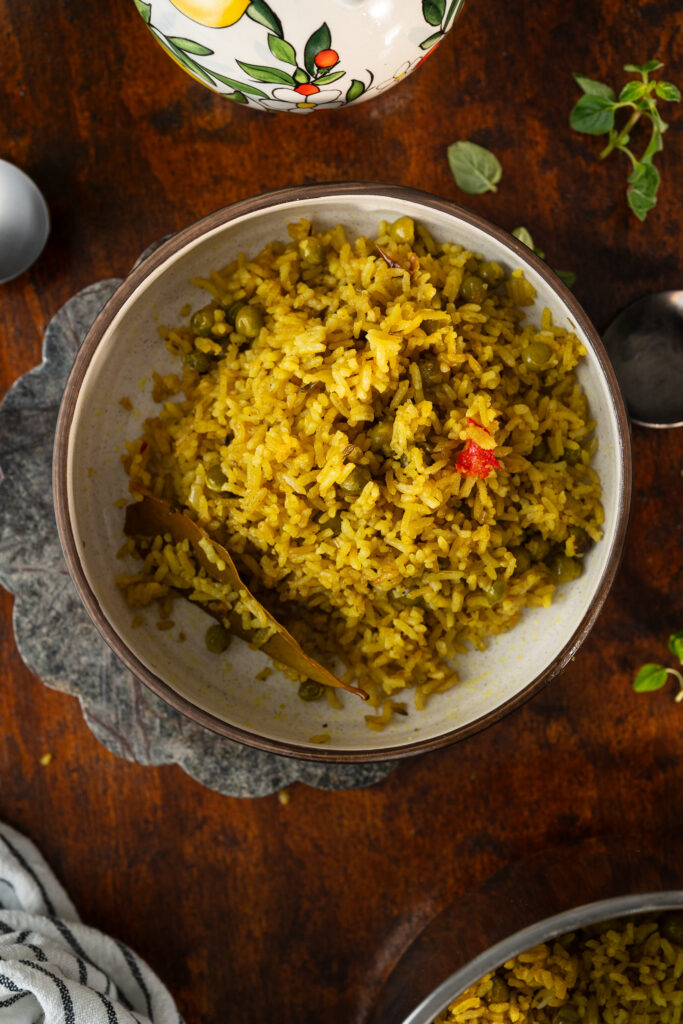
What Is Coconut Curry Rice?
Coconut Curry Rice absorbs the flavorful liquid as it cooks, creating tender grains with a golden color and a rich, fragrant finish. Unlike plain coconut rice, this version introduces warm spices that give the dish more depth.
Why You’ll Love This Coconut Curry Rice Recipe
One of the best things about this recipe is that you can prepare something flavorful without spending hours in the kitchen. A few fresh aromatics and pantry staples are all you need to turn ordinary rice into something worth looking forward to.
It's also a great recipe to keep in your regular dinner rotation because you can easily change the seasonings to complement your meal. Make it mild for a family dinner, add peppers for more heat, or include vegetables for a heartier dish.
Ingredients for Coconut Curry Rice with Green Peas
The secret to flavorful coconut curry rice is using ingredients that build flavor while maintaining the right balance of moisture.
Here's what you'll need to prepare this easy one-pot recipe.
Rice. The base of this dish, absorbing the coconut milk and aromatic spices while cooking into tender, fluffy grains.
Water. Provides the moisture needed to cook the rice evenly while balancing the richness of the coconut milk.
Coconut Milk. Adds a creamy texture and subtle coconut flavor that complements the warm curry spices.
Avocado Oil. Used to sauté the onions and spices, helping release their flavors before adding the cooking liquid.
Bay Leaves. Infuse the rice with a subtle earthy aroma as it steams, adding depth to the overall flavor.
Fresh Thyme. Brings a fragrant, herbal flavor that pairs beautifully with the coconut milk and curry spices.
Vegetable Bouillon. Adds a savory richness that enhances the seasonings and gives the rice a more developed flavor.
Epis (Green Seasoning): Brings fresh herbs, aromatics, and Caribbean flavor throughout.
Turmeric Powder. Gives the rice its beautiful golden color while adding a mild, earthy flavor.
Curry Powder. Introduces warm, aromatic spices that give this coconut rice its signature curry flavor.
Cumin Powder. Adds a slightly nutty, earthy warmth that complements the curry powder.
Salt. Enhances the spices and balances the natural sweetness of the coconut milk.
Yellow Onion. Sliced and sautéed until fragrant, adding a subtle sweetness and savory foundation to the rice.
Green Peas. Add a pop of color, a slightly sweet flavor, and a tender contrast to the fluffy rice.
Choosing the Best Ingredients for Curry Coconut Rice
- Best Rice for Coconut Curry Rice: Jasmine rice is ideal for its fragrant aroma and fluffy texture. Basmati or long-grain white rice also works well, but avoid short-grain varieties that tend to become sticky.
- Full-Fat vs. Light Coconut Milk: Full-fat canned coconut milk provides a richer, creamier flavor, while light coconut milk creates a milder result. Always choose unsweetened coconut milk.
- Best Curry Powder to Use: Jamaican curry powder adds bold, earthy Caribbean-inspired flavor, while mild curry powder offers a more subtle taste. Choose a fresh blend for the best aroma and golden color.
How to Make Coconut Curry Rice
Making homemade Coconut Curry Rice with Green Peas is easy once you understand how to build the flavors in the pot. The most important part is cooking the aromatics and curry powder before adding the coconut milk, allowing the seasonings to develop a deeper flavor.
Step 1: Rinse the Rice
Place the rice in a large bowl and rinse several times with cool water until the water becomes noticeably clearer. Drain thoroughly and set aside while preparing the remaining ingredients.
Step 2: Sauté the Onions and Spices
Heat avocado oil in a large, heavy-bottomed pot over medium heat, then add the sliced onions, turmeric, curry powder, cumin, bay leaves, fresh thyme and green peas. Sauté for approximately 3 minutes, stirring frequently until the onions begin to soften and the spices become fragrant.
Step 3: Add the Coconut Milk and Water
Pour the water and coconut milk into the pot, then add the vegetable bouillon and salt. Stir until the bouillon dissolves and the spices are evenly incorporated, then cover and bring the mixture to a boil.
Step 4: Add the Rice and Green Peas
Once the coconut mixture reaches a boil, add the rinsed rice and stir gently to distribute everything evenly. Allow the mixture to return to a gentle simmer before reducing the heat to low.
Step 5: Cover and Steam the Rice
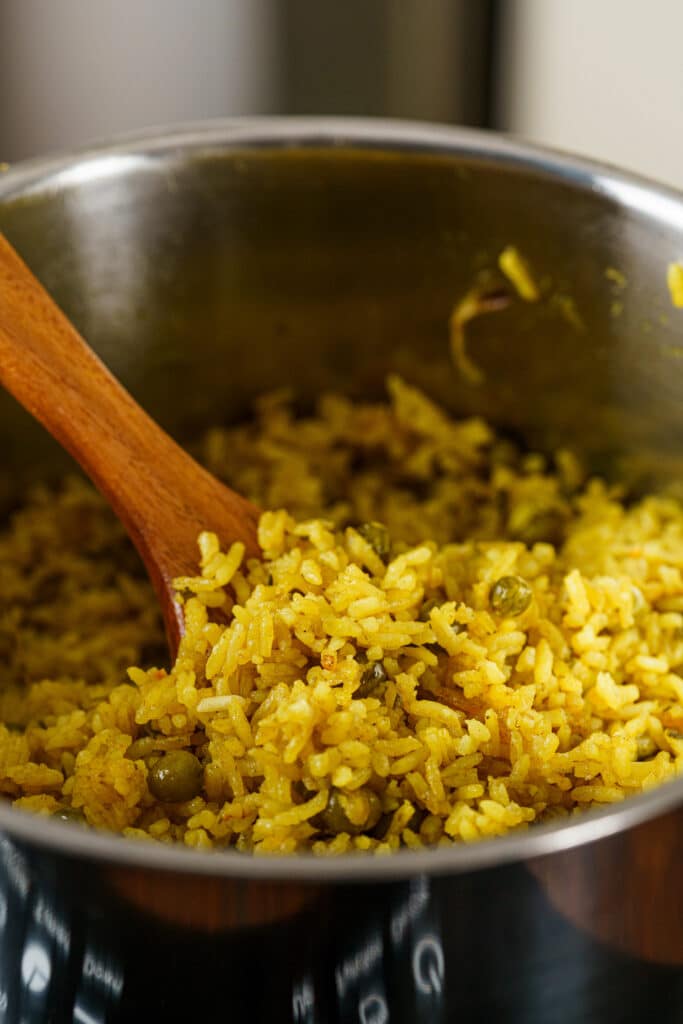
Cover the pot with a tight-fitting lid and let the rice cook over low heat for approximately 35 minutes, or until the liquid is absorbed and the grains are tender. Avoid lifting the lid or stirring frequently, as the trapped steam helps the rice cook evenly.
Step 6: Fluff and Serve
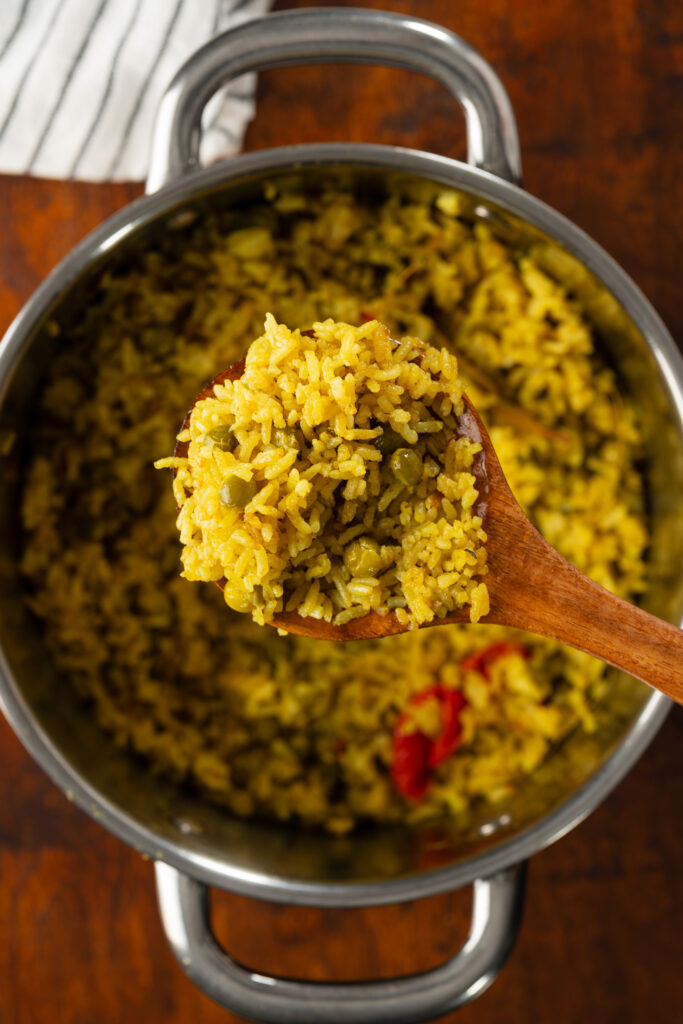
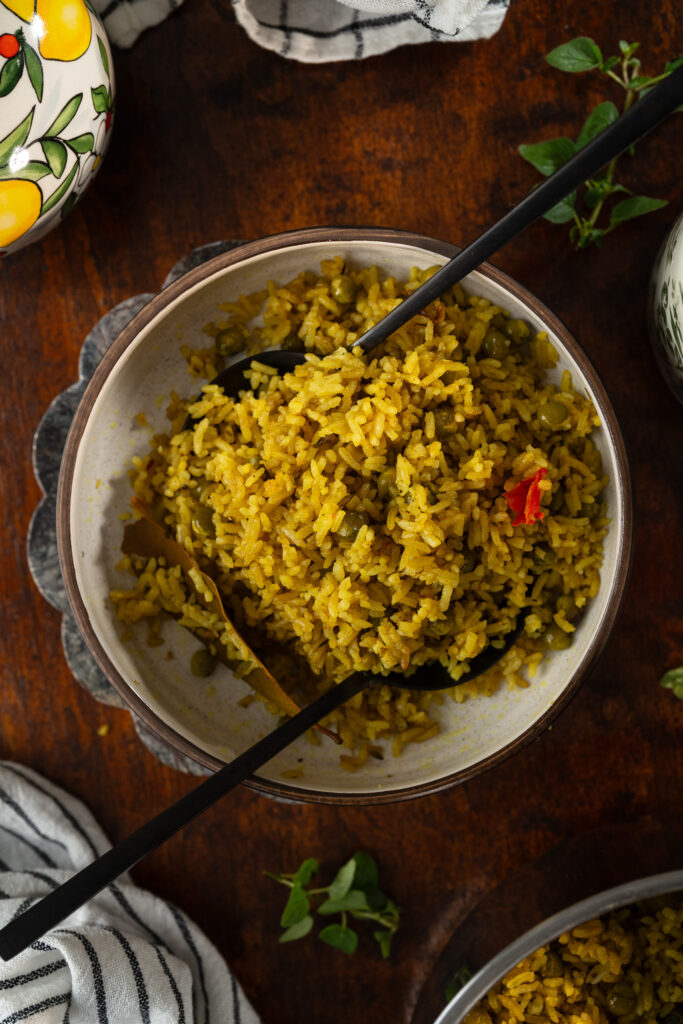
Once the rice is tender, remove the pot from the heat and let it rest, covered, for 5–10 minutes. Remove the bay leaves and thyme stems, gently fluff the rice with a fork, and serve warm.
Enjoy!
How to Store, Freeze, and Reheat Coconut Curry Rice
This Rice is perfect for meal prep and can be stored for later without losing its delicious flavor. Proper storage and reheating help maintain its fluffy texture while keeping the rice fresh and safe to eat.
- Refrigerate: Allow the rice to cool quickly, then transfer it to an airtight container and refrigerate promptly.
- Freeze: Divide cooled rice into freezer-safe containers or bags, removing excess air to prevent freezer burn. Store for up to 2–3 months for the best quality.
- Reheat on the Stove: Add rice to a saucepan with a splash of water or coconut milk. Cover and warm over medium-low heat until thoroughly heated.
- Reheat in the Microwave: Place rice in a microwave-safe bowl with a splash of water and cover. Heat in short intervals, stirring occasionally until hot throughout.
Tips for Making Perfect Curry Coconut Rice
Getting the right texture is just as important as creating a delicious flavor. These simple cooking tips will help you avoid common problems and make fluffy coconut curry rice with tender, separate grains.
- Use the Right Amount of Liquid. Coconut milk counts as part of the cooking liquid, so measure carefully to avoid mushy or dry rice.
- Avoid Stirring the Rice. Stirring releases starch, making the rice sticky instead of light and fluffy.
- Use Fresh Curry Powder. Fresh, aromatic curry powder gives the rice a richer flavor and vibrant golden color.
- Let the Rice Rest. Keep the rice covered for 10 minutes after cooking to allow the moisture to settle before fluffing.
- Prevent Mushy Coconut Rice. Avoid excess liquid and overcooking. Remove the rice from heat once tender and let it rest covered.
- Fix Undercooked Rice. Add a small splash of hot water or broth, cover, and cook over low heat for a few more minutes until tender.
Frequently Asked Questions About Coconut Curry Rice
Can I Make Coconut Curry Rice Without Coconut Milk?
Yes, you can replace the coconut milk with broth or water if you prefer a more traditional curry-seasoned rice. However, the dish will lose its signature coconut richness and have a lighter flavor.
For the closest alternative, use another unsweetened coconut-based cooking product if available. Keep in mind that different products have different fat and water contents, which may require adjusting the cooking liquid.
Can I Use Basmati Rice Instead of Jasmine Rice?
Basmati rice is an excellent substitute if you prefer long, separate grains with a slightly firmer texture. Its aromatic flavor complements curry powder and coconut milk very well.
Because basmati rice can have different liquid requirements, adjust the amount of broth according to your preferred brand. The cooking time may also vary slightly from jasmine rice.
Can I Make Coconut Curry Rice in a Rice Cooker?
Yes, a rice cooker can be used to prepare coconut curry rice if your appliance supports cooking with coconut milk. For the most developed flavor, sauté the aromatics and curry powder separately before transferring everything into the cooker.
Add the rinsed rice, coconut milk, broth, and remaining seasonings, then use the appropriate setting for your rice variety. Follow your rice cooker's recommended liquid requirements because they may differ from stovetop measurements.
Can I Use Brown Rice for This Recipe?
Brown rice can be used, but it requires more liquid and a longer cooking time than white jasmine rice. Its firmer texture and nuttier flavor will also change the finished dish.
For the best results, use a cooking method designed for brown rice rather than following the exact white rice measurements. You may also need to adjust the amount of coconut milk and broth.
What Is the Difference Between Curry Powder and Curry Paste?
Curry powder is a dry blend of ground spices, while curry paste typically combines fresh or dried ingredients into a concentrated mixture. The flavors can be quite different depending on the ingredients and regional style.
Curry paste often contains chilies, lemongrass, garlic, or other aromatics that provide a more intense flavor. Both can be used in coconut rice, but they shouldn't automatically be substituted in equal amounts.
What Can I Use Instead of Curry Powder?
If you don't have curry powder, you can prepare a simple spice mixture using turmeric, cumin, coriander, and a small amount of ginger. This won't taste exactly like a premade curry blend, but it can create a similar warm, earthy flavor.
You can also use a suitable curry paste for a different variation. Just remember that curry pastes may contain additional salt and chili, so adjust the seasonings carefully.
Coconut Curry Rice with Green Peas Video
Final Thoughts
This Curry Coconut Rice is a simple way to bring more flavor to an everyday meal without making dinner complicated. The combination of tender jasmine rice, creamy coconut milk, and aromatic curry spices creates a delicious side dish that works with so many different foods.
Whether you're preparing a Caribbean-inspired dinner, serving grilled seafood, or adding vegetables for a plant-based meal, this rice is easy to customize. It's one of those recipes that can become a regular part of your kitchen once you find your favorite combination of seasonings.
Engage With Us!
Have you tried making this Coconut Curry Rice at home? Do you have any tips or variations to share? Join the conversation below, and let's keep the adventure going. And remember to follow us on social media for more delicious recipes and cooking tips. Happy cooking!
Would you like to see more? SUBSCRIBE to receive the more recipes! Also, follow me on FACEBOOK, PINTEREST, INSTAGRAM, YOUTUBE or TWITTER.
Coconut Curry Rice with Green Peas
Ingredients
- 2½ cups rice
- 2 tablespoons avocado oil
- 1 cup onion large/ sliced
- 1½ cups green pea
- 1½ teaspoons curry powder
- 1½ teaspoons turmeric powder
- 1 teaspoon cumin powder
- 2 tablespoon epis (green seasoning)
- 2 bay leaves
- 6 sprigs fresh thyme
- 2 cups water
- 1½ cups coconut milk
- 1 tablespoon salt
- ½ cube vegetable bouillon
Instructions
- Rinse the rice: Wash the rice several times under cool water until the water becomes noticeably clearer, then drain thoroughly.
- Sauté the spices: Heat avocado oil in a large pot over medium heat. Add sliced onion, turmeric, curry powder, cumin, epis (green seasoning), bay leaves, and thyme, and peas, then sauté for 3 minutes until fragrant.
- Add the liquids: Pour in water and coconut milk, then add vegetable bouillon and salt. Stir, cover, and bring to a boil.
- Add rice and peas: Stir in the rinsed rice and bring the mixture back to a gentle simmer.
- Steam the rice: Reduce heat to low, cover tightly, and cook for approximately 35 minutes or until the rice is soft and the liquid is absorbed.
- Rest and serve: Remove from heat and let rest, covered, for 5–10 minutes. Remove bay leaves and thyme stems, fluff with a fork, and serve warm.
- Enjoy!
Video

Nutrition
Looking for more recipes like this one? Check out our main course categories here !


Leave a Reply